Discover our most impactful articles that are shaping the future of retail media and e-commerce
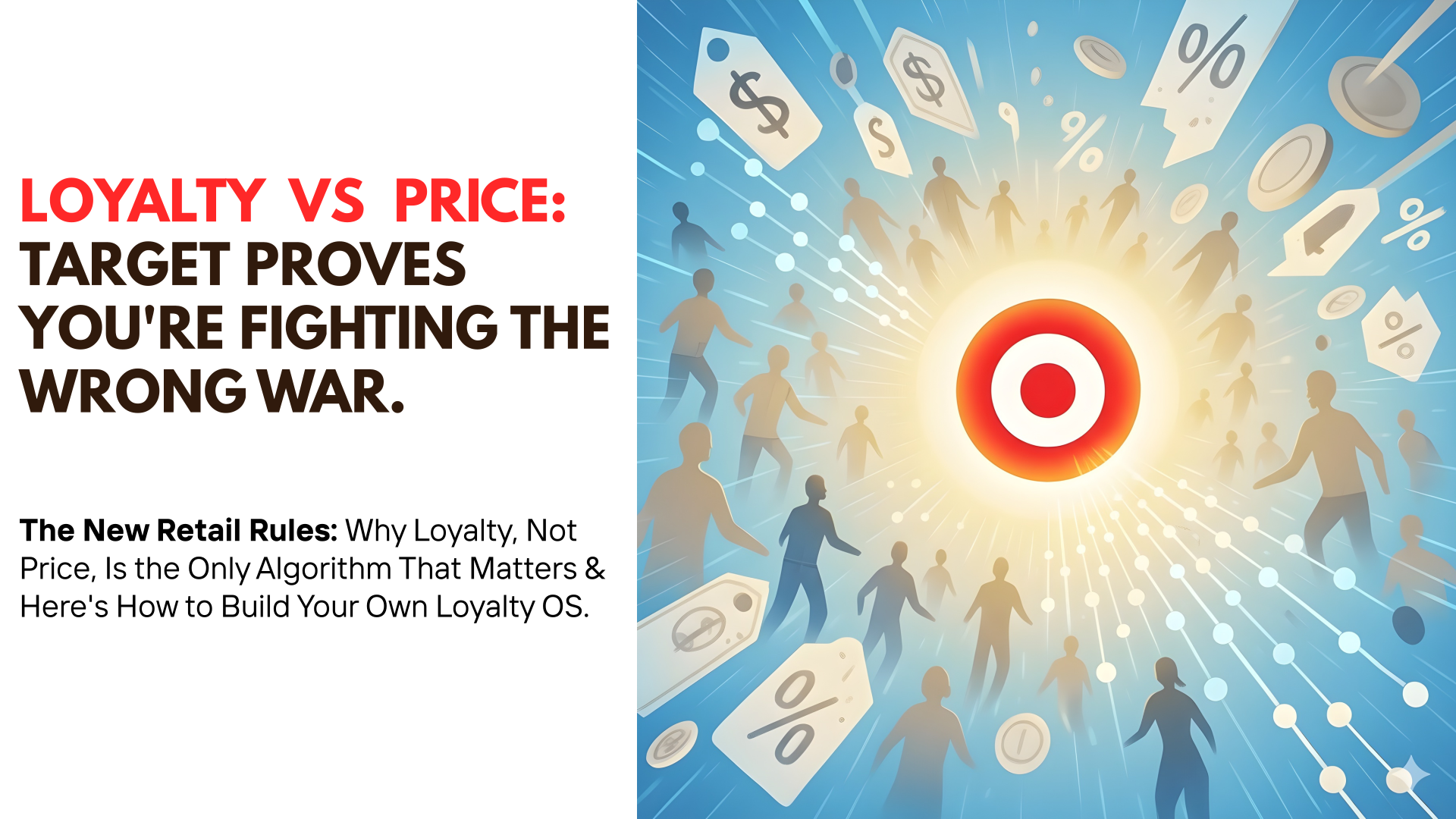
Analyzes how Target's Circle Week transformed the retail battleground from a price war into a loyalty war, using a two-tiered membership structure (Circle and Circle 360). The strategy focused on customer retention and data acquisition, establishing loyalty as the new retail algorithm in the age of AI-driven commerce.
Joe Scartz
Senior Executive Advisor
Discover insights tailored to your interests and expertise level
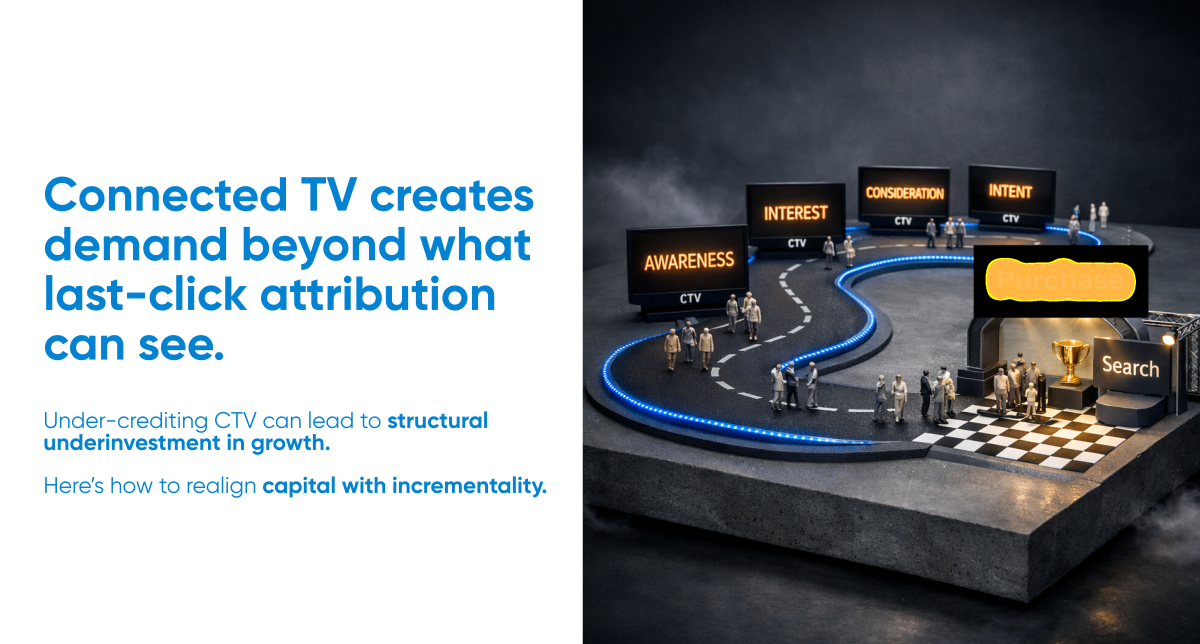
There's a number that keeps showing up when brands run independent measurement against their Connected TV investments - and it tends to catch people off guard. The dashboard said 2.8x ROAS. The controlled study said 6.4x. Same campaign. Same creative. Same time period. The difference wasn't performance - it was how performance was being measured. That gap isn't a rounding error. It's a sign that the measurement framework being used was built for the wrong job - and for brands making budget decisions based on last-click dashboards, it's quietly compounding into misallocation at a scale that doesn't show up until real damage is done.
Rupesh Desai
Chief Executive Officer
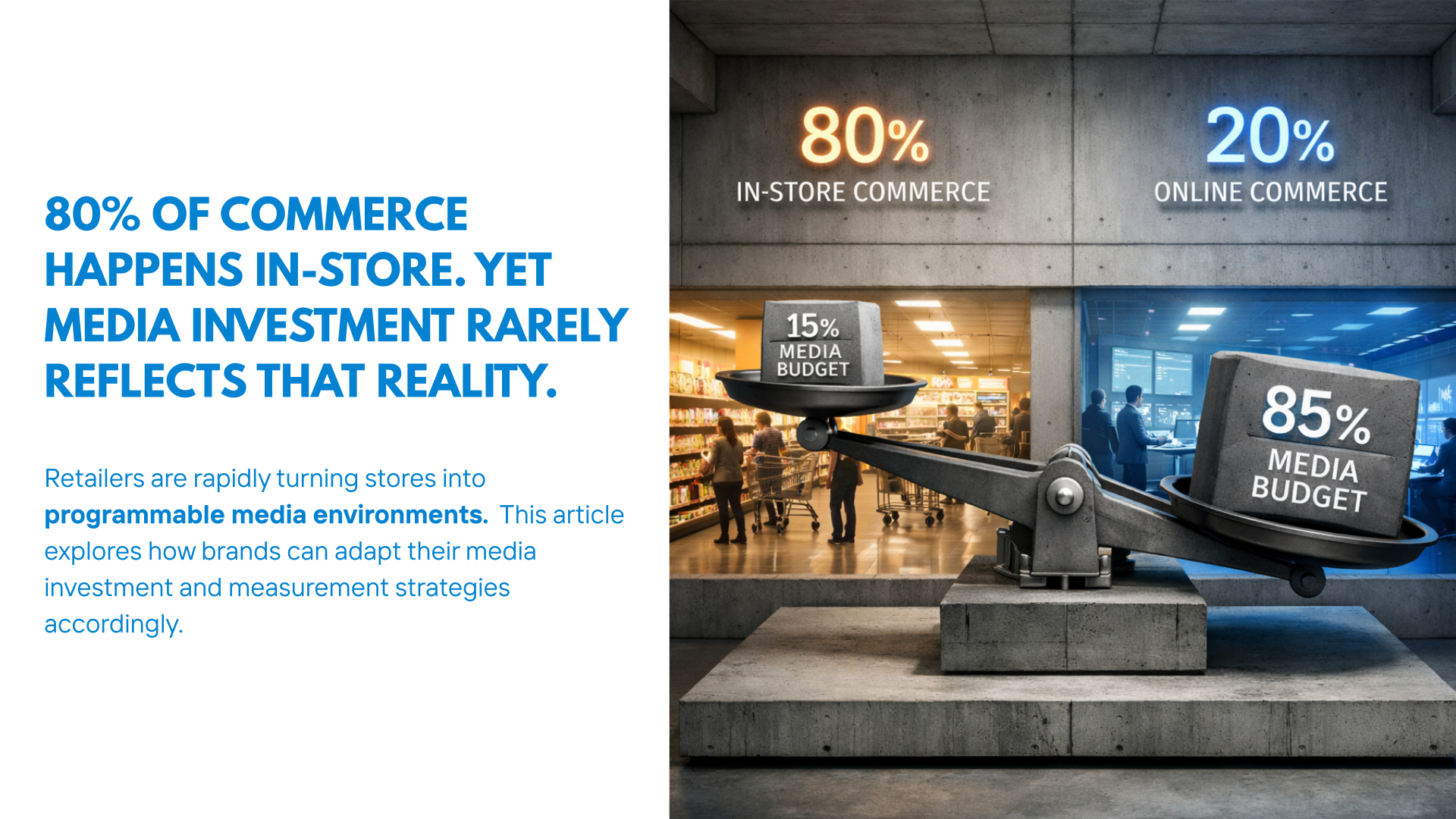
80% of retail transactions happen in physical stores, yet 85% of retail media spend goes to digital. The infrastructure gap that used to justify this imbalance no longer exists - in-store media is now programmable, measurable, and addressable at scale. This piece lays out the five structural moves brands need to make to close the 80/20 gap and unlock the largest audience arbitrage in retail media.
Kanishka Jingar
Strategic Project Manager
Retail media has had an incredible run. ROAS is up. Budgets have consolidated into a handful of dominant platforms, and operations feel simpler than they have in a long time. The efficiency story looks great on paper. But there's a question that keeps coming up in finance conversations - and no retailer dashboard has a clean answer for it: if efficiency is improving, why are margins getting worse?
Krishnendu Dubey
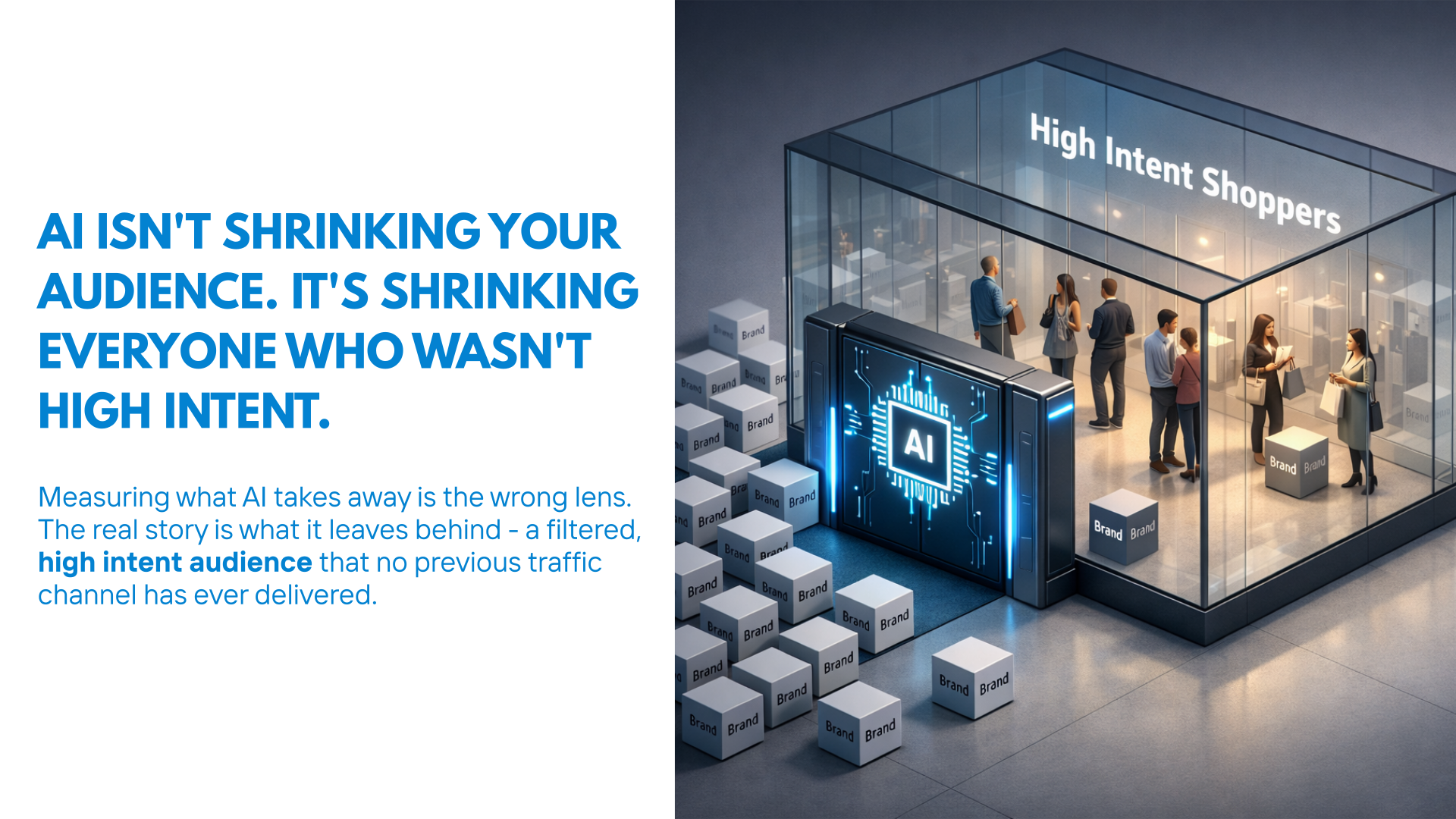
AI shopping agents won't kill retail media - they'll compress impressions and dramatically increase the intent behind every one that survives. The brands that win won't be the ones chasing reach. They'll be the ones built to be chosen by the algorithm. This piece breaks down the shift from SEO to AIO, the four layers of inclusion readiness, and the timeline brands have to get their architecture in place before the window closes.
Aditi Choudhary
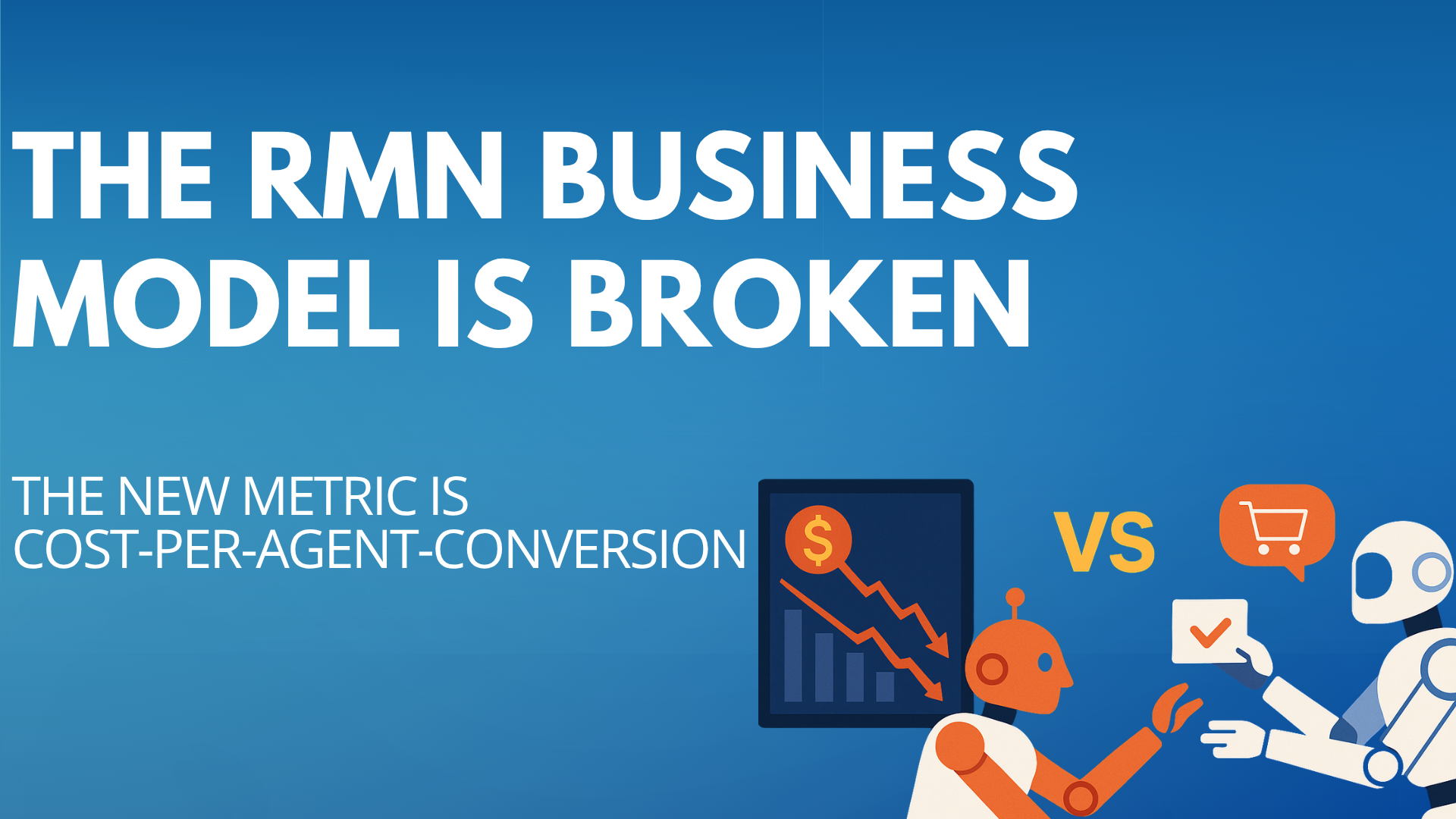
The rise of AI shoppers is forcing the RMN business model to transform from selling ads to facilitating high-speed, automated negotiations.
It's a strategic escape from the low-margin "gig economy" trap to become a high-margin "retail enablement platform."
The independent ad tech market just received its loudest signal yet: Criteo is officially for sale. What looked like a dry legal announcement — the company’s intent to “abandon its French domicile and transfer its legal headquarters to Luxembourg” — is in reality one of the clearest strategic inflection points of the year. This is not paperwork. It’s preparation for a transaction. Criteo has explicitly stated that the move “removes a specific legal barrier in French corporate law that prevents a direct merger with a U.S. corporation.” In other words: The last obstacle between Criteo and a U.S. acquirer is gone. The consolidation wars have begun.
AI isn’t just changing how people shop - it’s deciding what they buy. This blog explores the rise of agentic commerce, where algorithms act as autonomous shoppers, making decisions for consumers. Discover how brands must evolve from marketing to humans toward marketing to machines in this new era of algorithmic buyers.
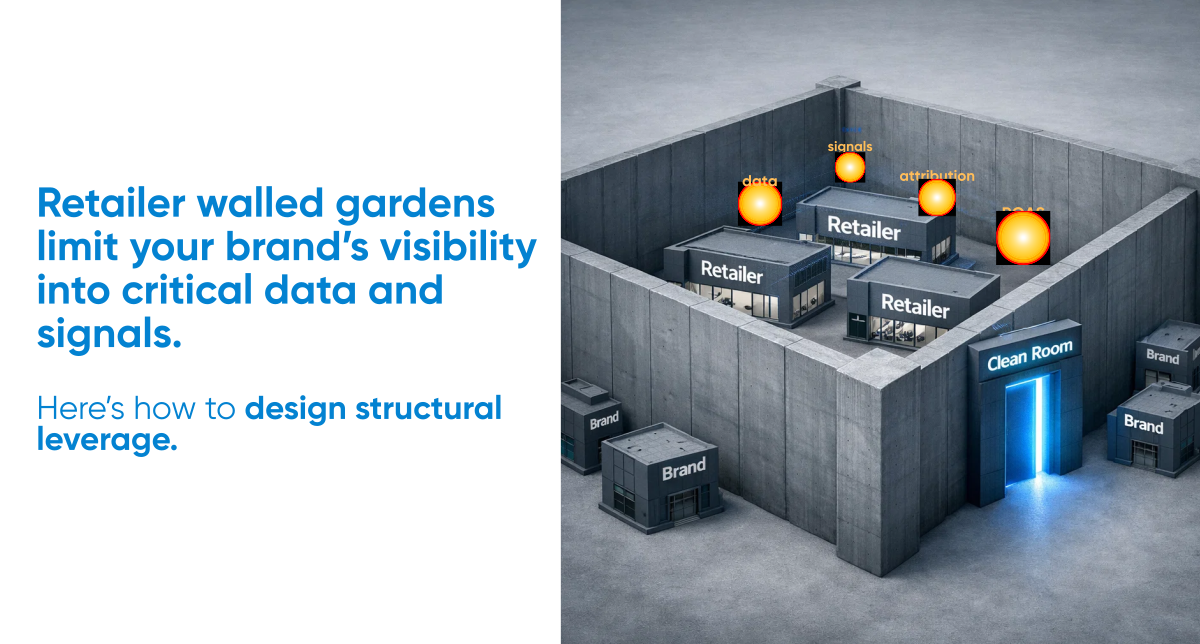
Amazon isn’t just launching another ad product - it’s building the infrastructure that powers the entire advertising ecosystem. With AWS RTB Fabric, Amazon Web Services is redefining what it means to compete in ad tech, offering single-digit millisecond latency and up to 80% lower networking costs while capturing control of the rails beneath every bid. This strategic shift isn’t just about ads - it’s about dependency, architecture, and leverage. For CPG, FMCG, and advertising leaders, failing to recognize this change now could mean renting critical capacity from your biggest competitor tomorrow. Dive into how the infrastructure wars have begun - and what brands must do to protect their margins, autonomy, and future.
"The JBP Rebellion" is a thought-provoking analysis of the retail media revolution - where brands, long trapped in opaque partnerships and inflated promises, are finally pushing back. The article exposes how Joint Business Plans (JBPs) have turned from growth blueprints into pay-to-play tolls and how the rise of IAB 2025 standards is sparking a new era of transparency, accountability, and fair value exchange between retailers and advertisers. It chronicles the brewing rebellion led by global CPGs and agencies demanding auditable metrics, standardized measurement, and open ecosystems, while retailers face a reckoning: evolve into Joint Value Partnerships (JVPs) or lose their place in the new, truth-driven marketplace.
The New Operating System: Why Agentic Commerce Demands a Data Pivot The recent Walmart-OpenAI announcement signals a fundamental shift that is far more than an ad tech update. It is an existential crisis for any brand built on the keyword model. The core takeaway: AI is replacing the search page with a conversational shortlist. Retail success is now defined by eligibility (the AI chooses you), not visibility (you buy your placement). The key mandate for CPG and Brand Leaders is simple: Stop playing the bidding game and start winning the content intelligence race. Your product data, reviews, and images must be optimized for AI comprehension or your product will not exist on the new shelf.
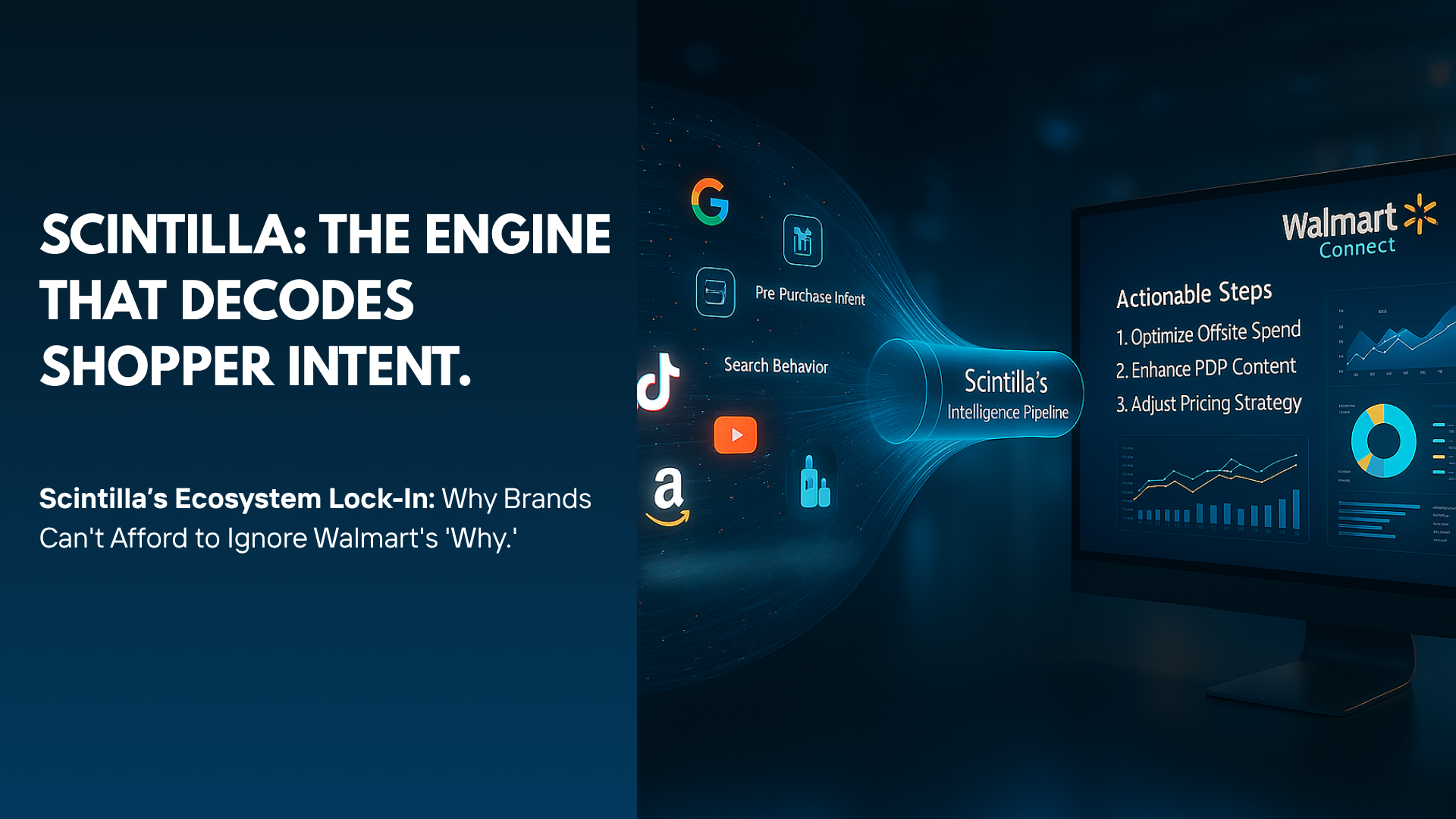
The game is no longer about ad inventory; it’s about decision intelligence. Walmart Connect's Scintilla platform marks a strategic pivot from retail media to a powerful insights engine, focusing on why shoppers browse, compare, and abandon. This article analyzes how pre-purchase intent is redefining the CPG playbook.
Bhumey Dadheech